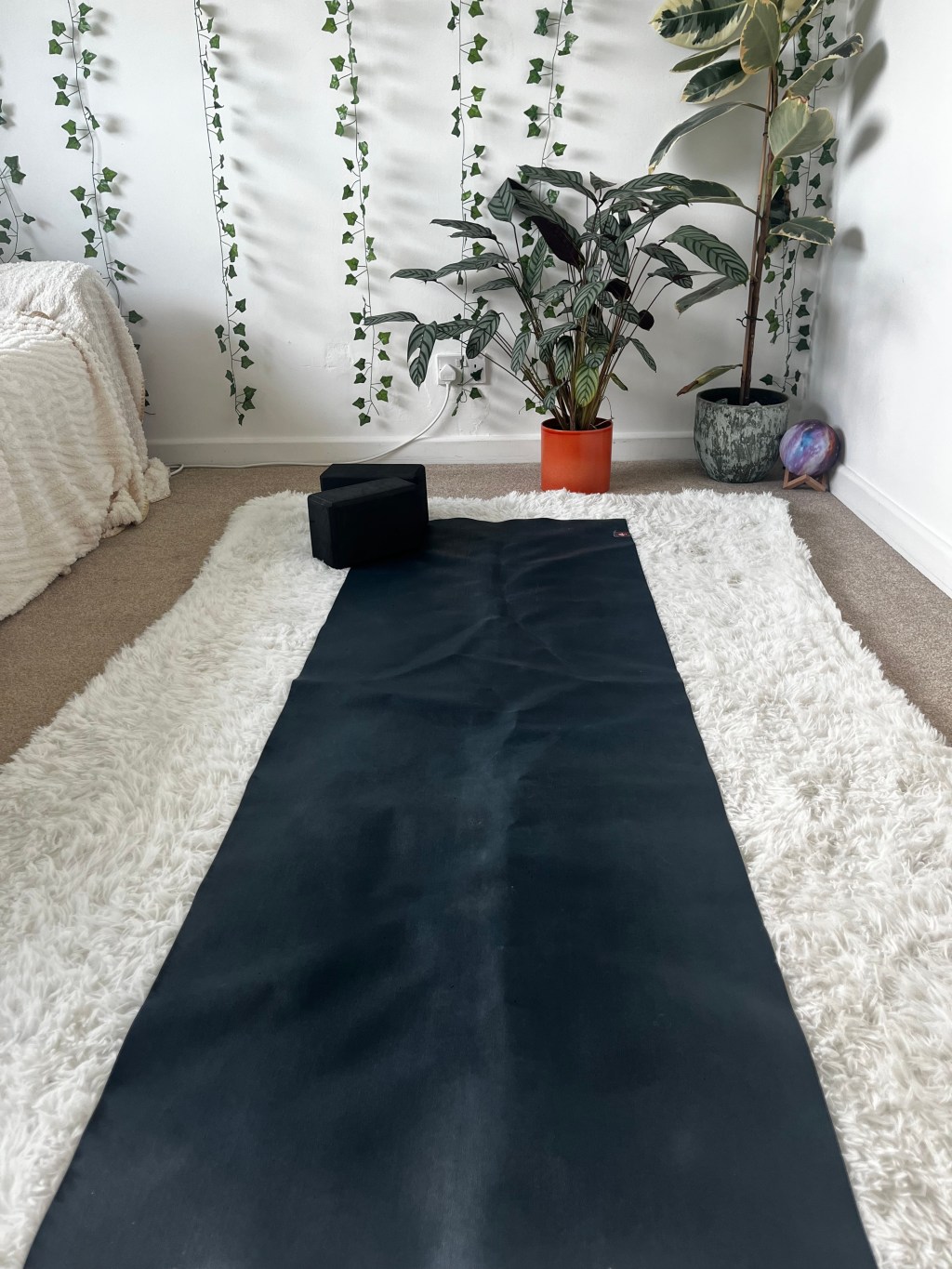
Exercise is something that’s meant to release feel-good hormones, but for me, it often leads to intense burnout. I’m left so fatigued I can’t move, and my brain becomes foggy and slow.
Since understanding how autism affects me, I have now gained clarity around what works and doesn’t work for me when exercising. I’m going to use this space to explain this to you in more detail and provide you with some handy tips that I have learnt along the way.
If I look back to my childhood, I was pretty good at sports. I was always in the school teams and represented my club and county at athletics. If I hadn’t quit as a teenager, perhaps I might have gotten even better and competed to a higher level.
The fatigue after exercising started for me as a child but at that point I didn’t even know what I was experiencing. As I got into my early adulthood, I remember trying different exercise classes and sports because surely one of them must work for me and each time coming away disappointed. I just gave up and assumed that exercise simply didn’t work for my body.
At the time, I didn’t have the full picture. I assumed I just wasn’t cut out for exercise, but later, I got a diagnosis that helped it all make more sense.
In my late 20s, I was diagnosed with ME/CFS (which is common in autistic people because of overlapping symptoms1). The main symptom for this is extended periods of fatigue that don’t refresh with sleep or rest.
The guidance that I received from professionals was to only focus on gentle exercise that my body could handle without triggering exhaustion, pacing myself and that I could try building up basic activity slowly.
And that’s exactly what I have been doing since I received that diagnosis. I love yoga and try to do it as often as I can. Mostly I do gentle flows or yin yoga that aren’t taxing on my body. I also enjoy going for short walks in nature when I can.
After receiving my autism diagnosis and learning more about what can trigger me to feel overwhelmed, overstimulated, anxious or burnt-out, I’ve started to realise that there are certain elements within different types of exercise that just don’t work for me and wanted to share them with you:
- Team sports– these are just a big no! The social interaction is just too much for me. The variables of where you play, who might be there, what I would need to say and the pressure of having to mask all add up.
- Group classes– this is the same as above, coupled with the anxiety of not knowing what to do, how to move or act. Loud, booming music, especially when it’s not to my taste, and harsh lighting quickly overstimulate me in these settings.
- Going to the gym– I find the gym anxiety provoking. Who is going to be there, will they talk to me, will they be staring at me. Plus again there is usually loud music playing and the strong lighting.
- One on one PT sessions– unless I knew the person well beforehand, this would be hard for me because I’d get very anxious and overthink everything about it.
- Intense cardio– I find that intense cardio is just too much for my body currently and triggers me to feel overstimulated by it.
After considering what doesn’t work for me, I have begun to understand what elements of exercise do work:
- Gentle movement– that calms my nervous system- yoga works well for me because it can help me calm down and focus on my breath at the same time. I’m prone to hyperventilate if I’m not careful and yoga can be a great help. I don’t need movement that hypes my system up because it gets overstimulated so easily by many other things!
- Being at home– my home is my safe space, where I feel the most comfortable and I can control the environment around me. This means there are way less stimuli that can overstimulate my system.
- Quiet places– when at home, I can have a nice quiet space but it can be a bit harder outside. I often go to outdoor places of nature where I can hear the sounds of wildlife. Even then, there can be other people around making noises that cause me to not feel good. I try to pick locations that I know are generally pretty quiet, but also I try to go at times of the day that I know there will be less people in those locations.
- Being alone or with one close friend or family member– I can be unmasked with the people closest to me and this enables me to enjoy my experience much more. I don’t have to plan my conversations ahead and constantly worry if I have said the right thing or acted in the correct way.
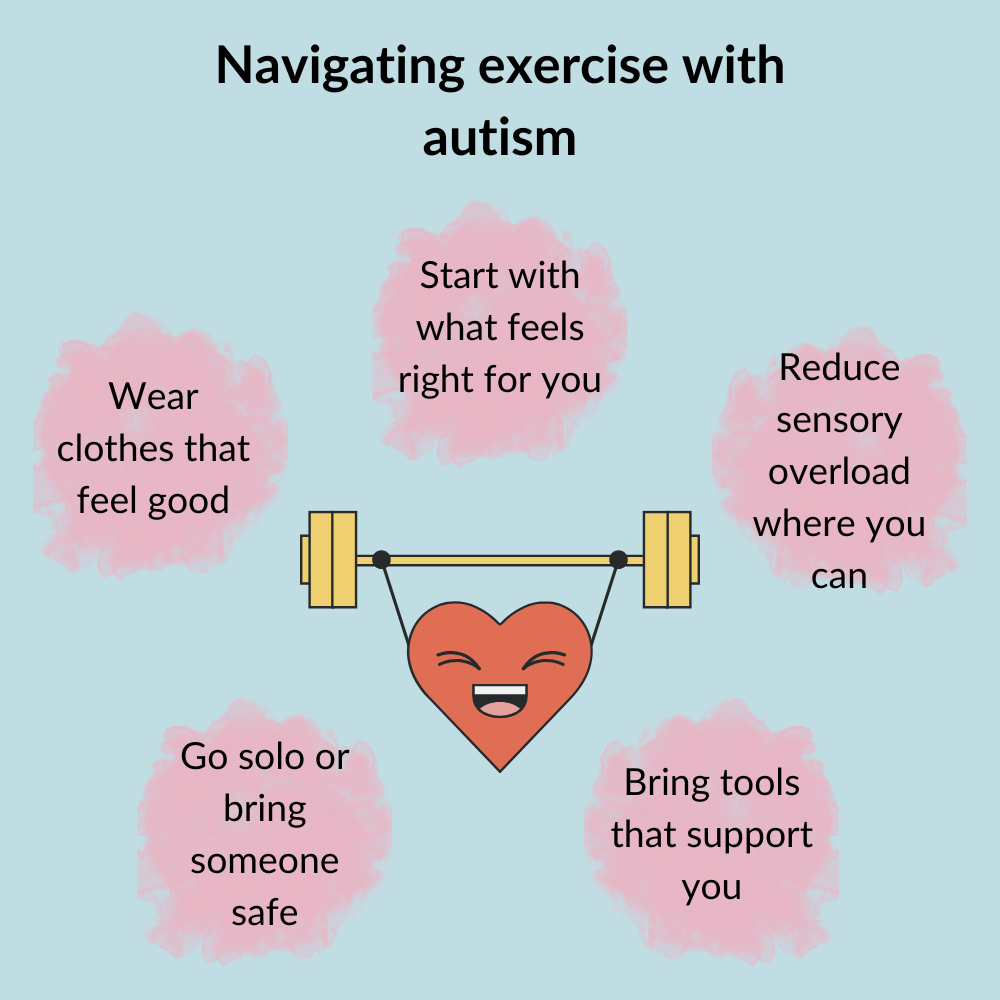
Having put together what works and doesn’t work for me, here are my top tips for others that might struggle with exercise (and visual below), knowing that no two autistic people experience things the same:
- Start with what feels right for you
Forget what everyone else is doing—especially neurotypicals. Just because something should work for others doesn’t mean it works for you. If you’re a chronic masker like me, it can take time to notice what genuinely feels good. That’s okay. - Reduce sensory overload where you can
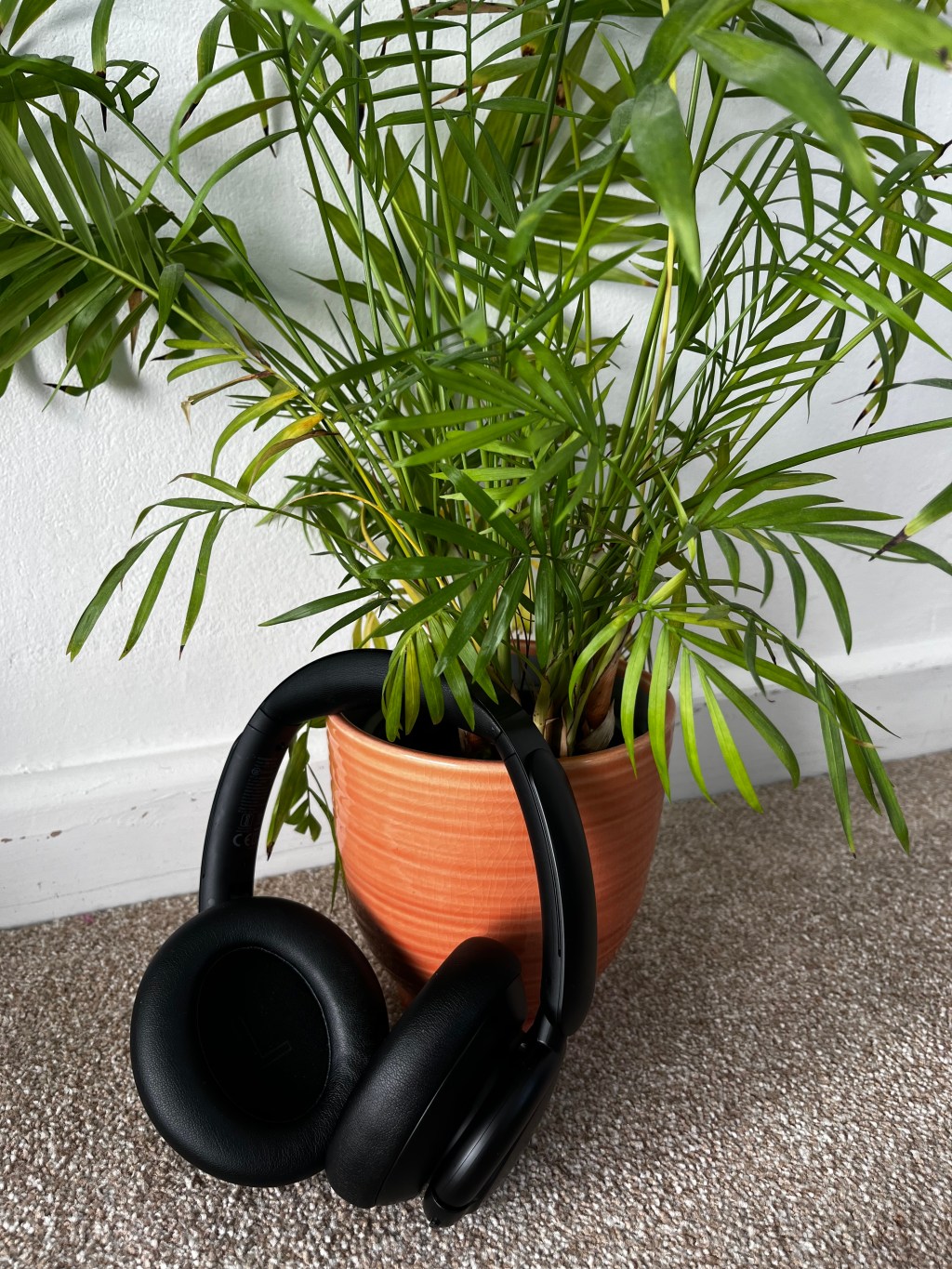
Before exercising, think about what might overstimulate you—noises, lights, people, textures—and make a plan to reduce or avoid those triggers. For me, that means choosing quiet outdoor spaces, avoiding gyms and group classes, and sometimes wearing noise-cancelling headphones. - Wear clothes that feel good
Uncomfortable fabric can totally ruin an experience. I make sure I’m wearing soft, familiar clothes that I can move in without distraction. - Go solo or bring someone safe
I usually move alone or with someone I can be fully unmasked around. That way I don’t have to script conversations or spend energy masking—my body can just be. - Bring tools that support you
Noise-cancelling headphones. Sunglasses. A stim object. Panda (my beloved comfort toy!). Anything that helps you feel safe or grounded is totally valid—even if others don’t get it.
At the moment, my main life focus is to unmask myself one layer at a time. I’m hoping that as I understand myself better and learn how to manage my triggers that I can maybe eventually be able to do other types of exercise without feeling such extreme burnout.
Side note here- you may have read my last blog post about me going to a live DJ event, which clearly involved a lot of dancing. I didn’t mention it in the post, but I had a big burnout crash afterwards that lasted almost a week, but it was worth it! I had the best time and was aware it would cause me to feel worse afterwards. I just managed it as best I could when it happened.
I am grateful that I can do some exercise and am trying not to get frustrated or put any pressure on myself to do anything else until I am ready (apart from very occasional situations). I’ll keep you updated!
Whether you love running marathons or prefer stretching gently on your living room floor, your way of moving is valid. If you relate to any of this, or have your own story of navigating exercise and burnout, I’d really love to hear from you in the comments.
Much love,
Rachael xx
Peeling back each layer takes time and energy. If you’d like to support The Invisible Onion and help keep the onion blooming, please donate through this link.
- Autism and Health Issues Unpacked: Exploring the Intersection of Autism and Chronic Fatigue Syndrome https://neurodivergentinsights.com/autism-and-health-issues/ ↩︎

Leave a comment