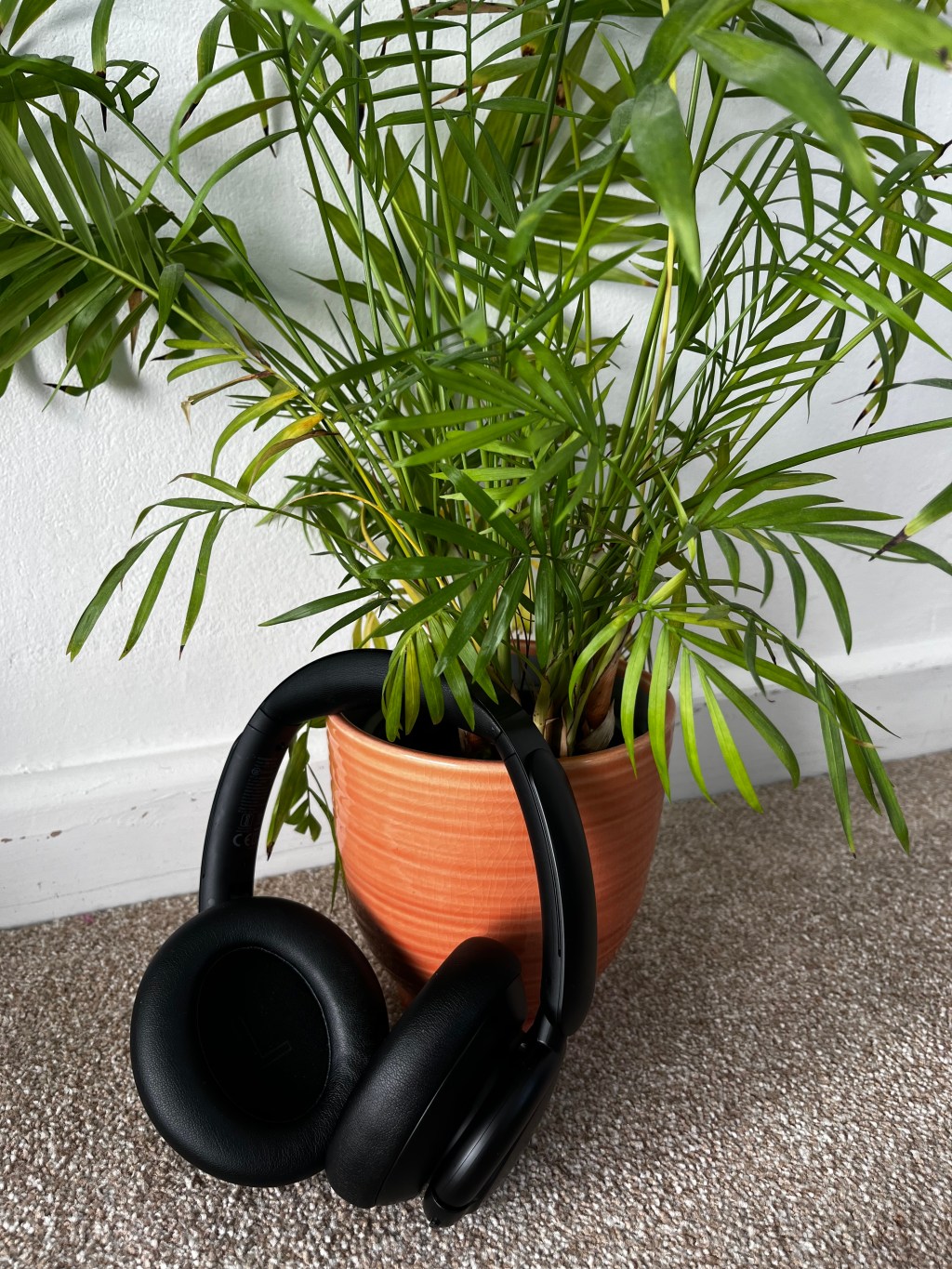
I’m almost 7 weeks into Safe and Sound Protocol (SSP) and wow what a journey already. I’ve had some real emotional highs and lows and learnt a lot about myself in the process. I wanted to use this post to share my progress, after letting you know that I would be starting it in my previous post about shifting from survival to safety. Because SSP has already taught me a lot about my nervous system, even in these early stages.
What is SSP?
It’s likely that you don’t know much about SSP. It’s not something that I had heard of before I stumbled across it. Essentially SSP is a music-based therapy that uses specially filtered music to calm the nervous system, promote emotional regulation, and improve social engagement by stimulating the vagus nerve and signalling safety.
It was created by the doctor who developed the Polyvagal Theory and helps people move out of the fight / flight/ freeze cycle. It can help support better sensory processing and emotional regulation and reduce anxiety- all things that I feel like I need as a highly sensitive neurodivergent person! I’ve added some reading links at the bottom of this post, in case you’d like to read more about SSP and the Polyvagal Theory.
SSP is split into three phases. The first phase acts as a settling-in process for you to get used to listening to the music unfiltered and set up a routine that works for you. The second phase starts introducing filtered music that progresses into quite heavily filtered music and then the third phase is lightly filtered music.
Each phase involves 5 hours of listening, broken down in a way that works for you.
I’ve now completed phase one and am two weeks into phase two.
Choosing a practitioner and setting the pace
First, let me tell you my experience with starting out. I selected my practitioner by having a good look through Google results. She stood out to me because the tone on her website was warm and inviting, her language was clear and easy to understand and she gave that message that each person’s journey is different and she works with people to tailor the process to them. A lot of others seemed to be set timelines no matter who they were working with and that didn’t sit right with me.
I had an initial chat with my practitioner and she instantly put me at ease. I knew that I had found the right person to guide me through SSP. After that, I booked in a session to run through the intake questionnaire. The session took an hour and we ran through a series of questions so that my practitioner could understand what state my nervous system was at.
After that, I selected my playlist. I am very selective with music. I have strong reactions and often either love or hate an artist or their tracks so I was a bit apprehensive whether there would be a playlist that would be suitable to me. Luckily there was. I selected the playlist called “Wonder”, which is essentially a lot of fun music for kids, predominantly Disney music.
I was then ready for my first session. I have weekly sessions of 30 minutes with my practitioner, where we review how my week has gone and adjust my listening accordingly. My practitioner also gives some great info about how the nervous system works and tools and tips to help me navigate my journey through SSP and life in general.
Phase one: Connect
We started with phase one, which is called “Connect”. With Connect, you listen to your playlist unfiltered. We started out slowly with me listening to 5 minutes every other day and I slowly built up to 10 minutes every other day. I have a very sensitive nervous system and it was important to introduce the listening routine slowly. Each person is different. Some people can manage 30 minutes every day, for example.
You can pick what you do whilst you listen. It’s recommended only light activity like drawing, snuggling up under a duvet or sitting. I usually have been snuggled under my weighted blanket, but sometimes I sit up and observe my garden through the window.
What surprised me during phase one
I wasn’t expecting any sort of reaction to the unfiltered music but I did notice some pretty incredible changes. Firstly, I love the music itself and find myself bopping along or going to an imaginary world in my mind.
After about 10 days of listening, I noticed a big shift in myself. I had a couple of days of dysregulation, where I was extremely emotional with big mood swings and then after I had 6 full days of feeling very regulated, including a stabilising of my ME and fibromyalgia symptoms that I haven’t felt in years. I felt like I could effectively pace myself without a big fatigue crash with loads of pain in my body.
When I spoke with my practitioner about what I had experienced, she thought it was likely that my body had shifted out of fight / flight / freeze for the first time in a very long time. I was surprised it had happened during the unfiltered music phase but my practitioner said that my nervous system must have reacted well to the routine of listening to the music.
This small shift has given me a new lease of hope for the future that my nervous system can gain more capacity. I’ve been curious and embracing of the emotional highs and lows.
Moving into phase two: Core
Once I was comfortably in my routine, I was ready for phase two, which is called “Core”. Currently I am two weeks into Core and have started off at a slow pace. I started with keeping my 10 minutes of Connect to start my listening session and then adding 2 minutes of Core to the end of it. Still listening every other day.
The filtered music starts with light filtering and progressively gets more filtered throughout the 5 hours. I’m still in the light filtering stage. It sounds like the music is really far away and has what I can only describe like a tinny sound to it.
Navigating dysregulation and listening to my body
After getting on well the first week with 2 minutes of Core, I increased to 5 minutes. The past week has been tough. I’ve had a big emotional dysregulation that I’m still experiencing. I’m feeling high anxiety, moments of panic and low mood, but it crept up on me slowly!
By the time I noticed it was happening, I was about 4 days into feeling dysregulated and started to take a step back to analyse what was going on. I know it’s likely that the SSP increased listening could have impacted me but also took a look at what else might be going on with me. Could I have experienced overstimulation in some way? Is there something happening in my life that is making me feel a certain way? It’s likely not just one thing.
Knowing that this kind of response can happen during SSP has helped me feel less alarmed by it.
I’m trying not to put pressure on myself to know all the answers but to keep an open mind and be curious.
Working so intimately with myself, I feel like I’m more aware of when my nervous system is sending me a signal and over time I am hoping I will be able to catch the early signs before they progress to an extreme state.
Learning to go slow and trust myself
So far SSP has taught me to go slow and steady, listening to my body as I go. I’ve learnt to not always do something rigidly in a set routine if it’s not right for me at that time. I’m trusting my intuition and my body more.
As well as SSP, I’ve been doing somatic tracking and EFT. Both practices help signal to my nervous system that I am safe.
The shift to safety isn’t an easy route. There are a lot of strong feelings and body sensations along the way. Emotions and feelings that I would have previously ignored or repelled are now being welcomed and that takes some getting used to.
I’m embracing the process as much as I can and trying to enjoy it, even when the feelings aren’t pleasant. I know the feelings are there for a reason and they are my nervous system communicating with me.
I’ll be back with another update in a little while, once I am further through the second phase of SSP, Core.
If you’re exploring SSP, nervous system work, or the idea of shifting from survival to safety, I’d love to hear where you’re at. Whether you’re just curious, right at the start, or already on your own journey, you’re very welcome to share in the comments. Reading and learning from each other helps remind me that we’re not doing this alone.
Much love,
Rachael xx
Peeling back each layer takes time and energy. If you’d like to support The Invisible Onion and help keep the onion blooming, please donate through this link.
Further reading on SSP and the Polyvagal Theory:
- What is the SSP– Unyte
- What is Polyvagal Theory– Polyvagal Institute


Leave a comment