Following on from my previous post on autistic overstimulation, I wanted to share how I support myself through overstimulation as an autistic person in everyday life, both preventatively and in the moment.
After my late autism diagnosis, I’ve had to self-reflect on a deep level to better understand my triggers, try to catch overstimulation at an earlier stage and even prevent it where possible.
It’s an ongoing process for me, very much on brand with my onion metaphor. I’m slowly peeling back the layers of overstimulation in an inquisitive and open-minded way. Being kind to myself when triggers that now seem so obvious were missed before.
I’m trying to focus on the little wins, building towards a more regulated and fulfilling life.
When overstimulation strikes, it can feel all-consuming. Often a slippery slope to dysregulation, meltdowns, burnout and even panic attacks.
I’ve found two main ways I can support myself: preventative support and in-the-moment support.
Preventative support is steps that I can take to help prepare for and minimise overstimulation before it happens.
In-the-moment support is steps that I can take in the moment when I feel the overstimulation barometer creeping up.
Preventative Support for Overstimulation
Planning Ahead to Reduce Overstimulation
Taking time to think about and define what situations and scenarios are most likely to cause me overstimulation. Then working out what can help me in each situation.
Social settings, particularly in public places with lots of people, are an overstimulation trigger for me. Having to process multiple conversations with people, an array of noises, bright lights, smells and other stimuli can be easily overwhelming.
If I look at noise in isolation, I struggle to hold a conversation when there’s background noise. It can be hard to focus on the conversation because I’m distracted and overwhelmed by all the other noise going on at once.
Things that can help are moving close to a wall so that background noise is muted slightly, finding a quieter room or moving to an outside space if it’s available.
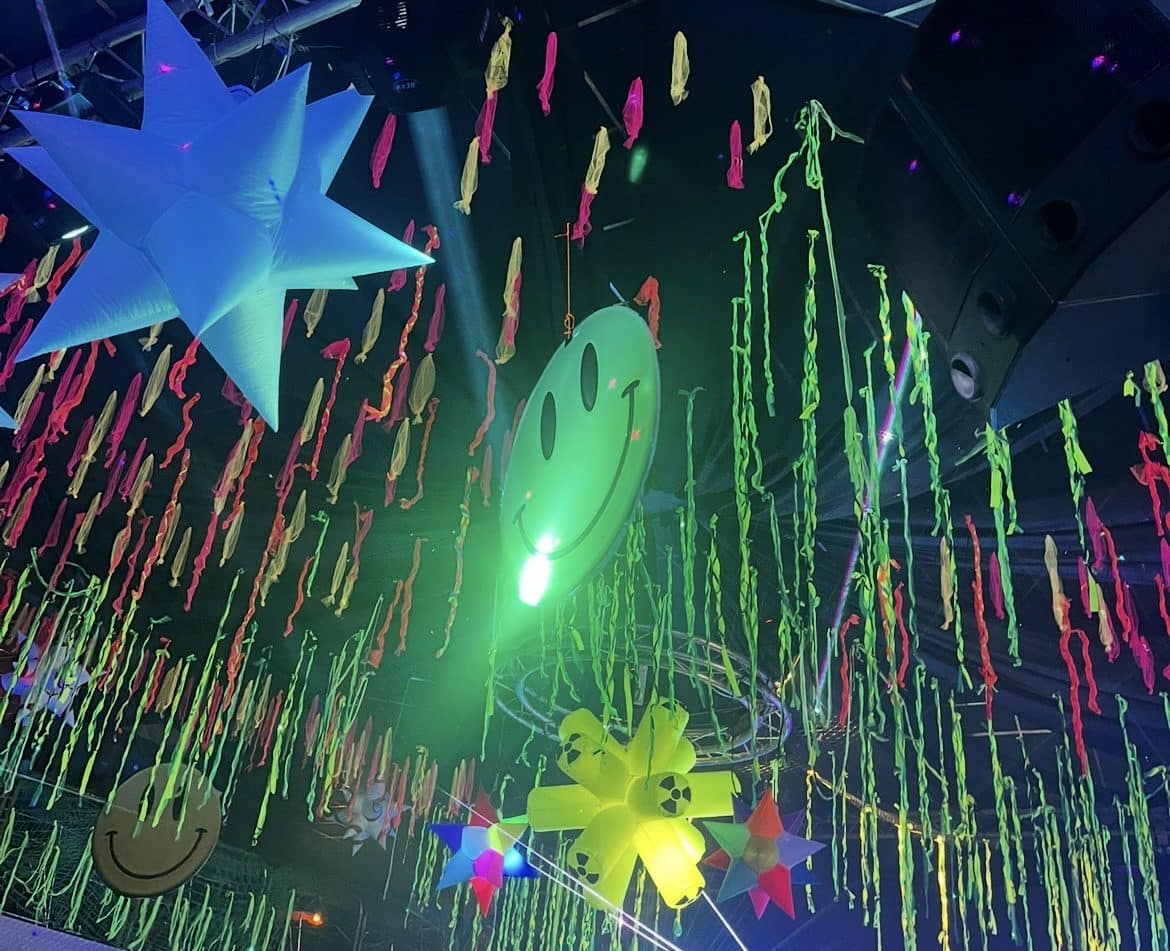
Having a plan for each scenario beforehand means my overstimulation levels are lower to start with and can greatly reduce my anxiety and any dysregulation that might accompany it. When I went to see my favourite DJ, Malugi, at a live music event, I put my plan into action and it greatly helped reduce my overstimulation levels.
Trying to Unmask and Reduce Overwhelm
Trying to unmask is hard for me because masking is like second nature, as I am sure it is for others. Masking causes me to feel stressed, tense and anxious. It consumes a lot of my energy, leading to burnout.
Awareness is the first step. Even considering unmasking in certain situations can take the edge off.
Slowing Down and Checking In With Myself
Taking time to slow down, listen to my body and how I am feeling before starting a new task can be hugely beneficial.
I can easily keep moving from one thing to the next without really coming up for air and suddenly, I feel so overstimulated without realising what has caused it.
This is particularly true when I’m working. I try to regularly check in with how I am feeling throughout the day. Planning in additional rest periods or other types of activities that I know will make me feel calmer and more energised. This could be doing a hobby I love, meditating, or even a couple of minutes in the garden watching the bees (one of my favourite things to do).
Supporting Myself Through Overstimulation in the Moment
Reducing Noise When Things Feel Too Much
If noise levels are too much, then I use noise cancelling headphones or Loop earplugs to bring noise down to an acceptable level.
It’s amazing how much better I feel when I reduce the noise around me. For example, I’ve noticed how much it helps when I’m travelling on a train to reduce the noise around me.
The train itself (without people in it) can make so much noise and cause me to feel on edge.
Stepping off the train for the first time after wearing noise cancelling headphones was incredible. I felt lighter and calmer.
Managing Smells When I Feel Overstimulated
Eliminating smells can be a lot harder than noise most of the time! You often can’t control the smells around you.
Knowing when to cover my nose can help, and not worrying about what others think when I do it.
When I can control a smell, like what type of deodorant my husband uses, then I do it. I’ve found that roll on deodorants are much less smelly and offensive on my nose than sprays.
Managing Light Sensitivity
Daylight can impact me quite a lot (as much as I love it). I wear sunglasses all year round when outside, even when it’s not sunny. I sometimes wear them inside too.
Light from my phone or laptop can also be triggering. I turn the brightness right down on both and use dark mode as much as I can.
If I’m in a public place and the artificial lighting is too much, I try to take breaks outside or move outside if I can.
Sticking to Safe and Comfortable Tastes
Taste overstimulation can be minimised quite a bit. I try to stick to tastes that I am comfortable with and if I encounter something I don’t like, I’m not afraid to leave it.
I used to eat or drink things even when I had a strong aversion to them, particularly when in the company of other people. Now I don’t do this and will just avoid things that I don’t like, even if it might upset people.
Navigating Touch Sensitivity
Touch is another tricky one because it really depends on the situation and how I am feeling. Sometimes, even the smallest touch can affect me in a big way.
I’ve learnt that the more stressed, anxious or uncomfortable I already am, the less likely I am to tolerate touch. It’s ok to tell someone not to touch you and to remove yourself from a situation if you don’t feel comfortable.
Letting My Emotions Out
Sometimes I need to shout, sometimes I need to sing or dance, sometimes I need to hide away by myself. As I’m starting to understand my emotions, I’m attempting to listen to that intuitive feeling that tells me to let it out.
Knowing When to Step Away
It may not seem like the best option at the time, particularly when in a social setting, but sometimes when things get too much, removing myself from a situation can be the best thing for me.
Previously, I would force myself to stay and endure overstimulation when it strikes, to the detriment to my mind and body. Now I’ve realised that leaving to find a quiet and darker space can be the kindest thing for me when there is no other option.
What I’ve Learned About Overstimulation
Learning my triggers has helped me reduce overstimulation. I know that I’ve only scratched the surface and am looking forward to continuing learning more about myself so that I can adapt how I approach different scenarios as needed.
I’m no longer afraid to do things that other people might think are “weird”. I’m slowly getting to know my authentic self, and I love her.
I’ve learnt that I just have to take the plunge and do things that work for me, regardless of how they are perceived. This was hard at the beginning but it’s getting easier as I do it more.
The process of learning and unlearning has been emotional, empowering, and sometimes exhausting, but it’s helping me build a life where I feel happy and am able to be my authentic self.
If This Resonated, You Might Also Like
- What Overstimulation Feels Like For Me as an Autistic Person
- Dancing Through the Overwhelm: My Autistic Joy at a Daytime DJ Set
- How Therapy Helped Me Understand My Emotions as an Autistic Adult
Peeling back each layer takes time and energy. If you’d like to support The Invisible Onion and help keep the onion blooming, please donate through this link.
Much love,
Rachael xx

Leave a Reply